Spearfishing in Bali's tropical waters requires specific equipment tailored to warm-water conditions, vibrant marine life, and varying visibility. Whether you're a beginner or an experienced spearo, having the right gear makes all the difference between a successful hunt and a frustrating day underwater.
The Speargun: Your Primary Tool
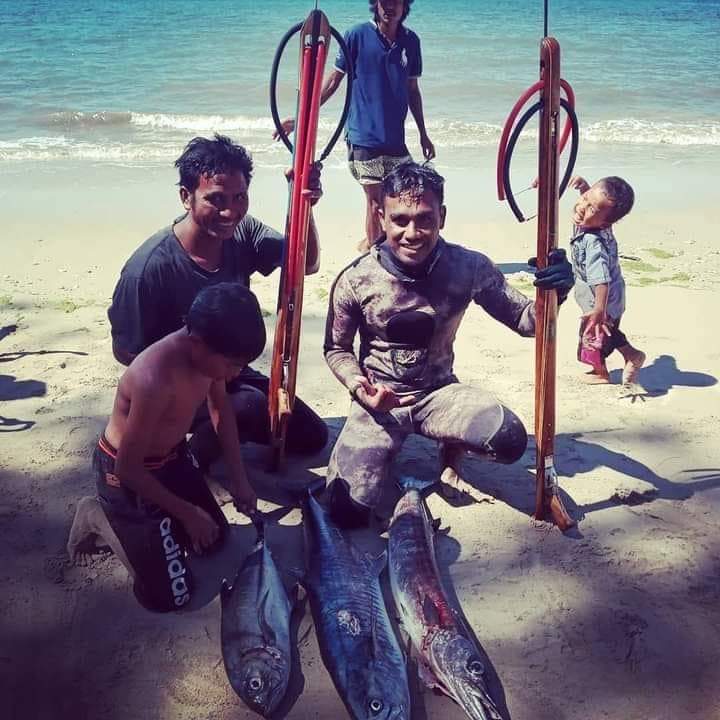
Your speargun is the most critical piece of equipment. In Bali's clear, tropical waters, a mid-length gun (90-110cm) works best for most situations. This size offers excellent maneuverability around coral formations while providing enough power for medium to large fish.
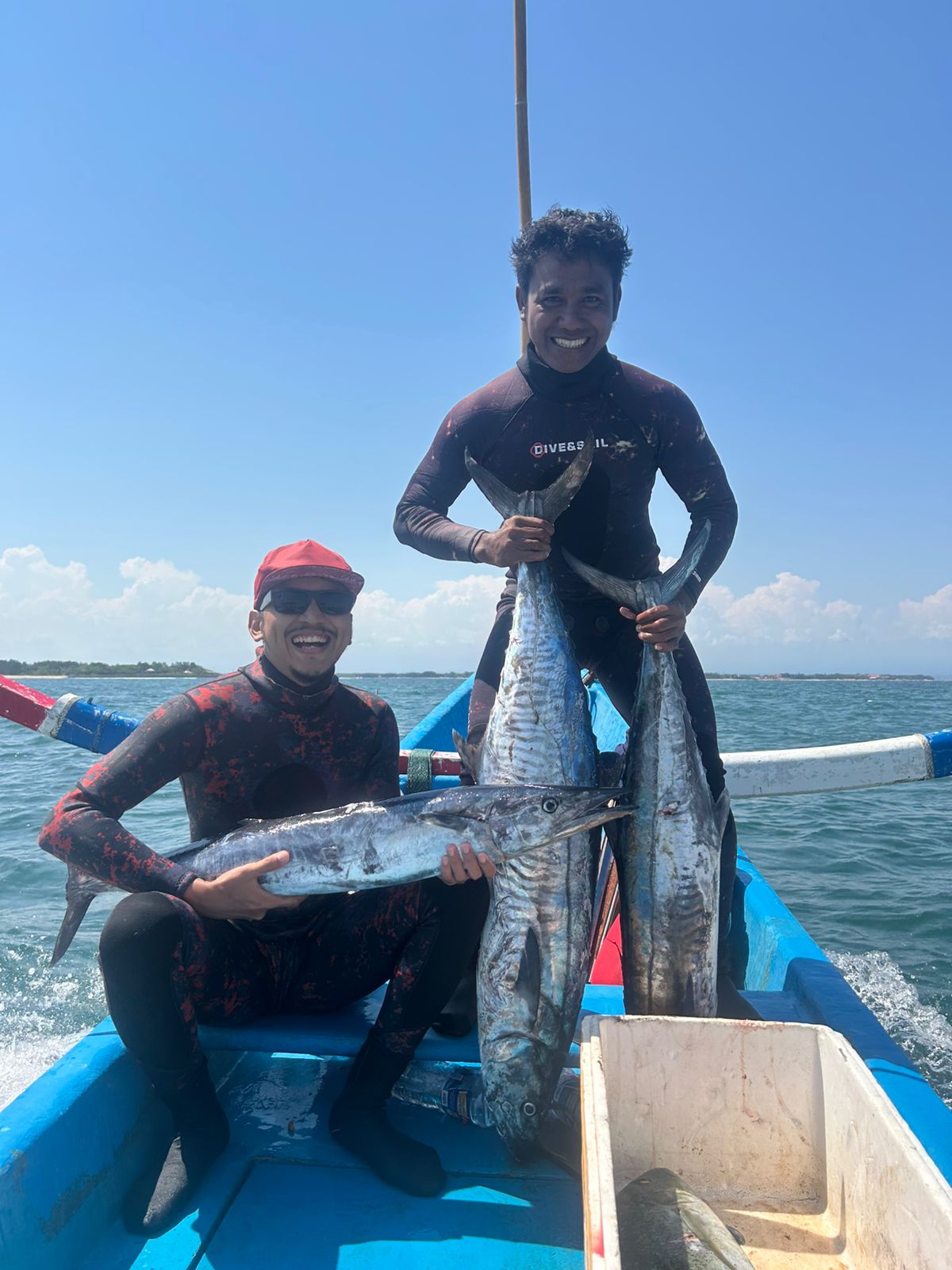
For reef hunting, consider a smaller gun (75-90cm) that's easier to handle in tight spaces. If you're targeting pelagic species like tuna or wahoo, a longer gun (110-130cm) with greater range and power is essential. Most local charters, including ours, can provide recommendations based on your target species and skill level.
Wetsuits for Warm Water
Despite Bali's warm waters (26-29°C), a wetsuit is crucial for thermal protection during extended dives and protection from stinging creatures, sharp coral, and sun exposure.
- 3mm wetsuit – Ideal for most conditions, offering warmth without restricting movement
- 1.5-2mm shorty – Perfect for warmer days when you need minimal coverage
- Long-sleeve rashguard – Alternative for very warm conditions, primarily for sun and jellyfish protection
Choose a wetsuit in blue or green camouflage patterns—these blend naturally with the ocean environment and help you approach fish more successfully.
Fins: Power and Efficiency
Long freediving fins are non-negotiable for spearfishing. They provide the propulsion needed for deep dives and efficient horizontal swimming while conserving oxygen. Look for fins with a blade length of 70-85cm made from composite materials or fiberglass.
Foot pockets should fit snugly but comfortably—blisters and cramps can ruin your day. Many spearos prefer full-foot pockets with neoprene socks for warmth and blister prevention. Bring multiple pairs of socks in case one pair gets wet before your dive.
"The right fins transform your diving. I've seen beginners struggle with short snorkeling fins, then watch their confidence soar once they switch to proper freediving fins. It's like upgrading from a bicycle to a motorcycle."
Mask and Snorkel Selection
A low-volume mask is essential for freediving. Low-volume masks require less air to equalize as you descend, conserving your breath and making deep dives easier. Look for a mask with a soft silicone skirt that seals comfortably against your face without leaking.
Your snorkel should be simple—no valves or fancy features that can fail underwater. A basic J-shaped or anatomic snorkel is all you need. Many experienced spearos skip the snorkel entirely once they're in hunting mode, relying solely on breath-hold diving.
Weight Belt and Proper Weighting
Proper weighting is crucial for effortless diving. You should be neutrally buoyant at around 10 meters depth, allowing you to hover without effort. In tropical saltwater with a 3mm wetsuit, most divers need 2-4kg of weight.
Use a rubber weight belt with a quick-release buckle for safety. Position weights evenly around your waist to maintain good body position underwater. Start conservative and add weight gradually—being slightly under-weighted is safer than being over-weighted.
Dive Knife and Safety Equipment
A sharp dive knife is essential, not just for dispatching fish humanely, but also for safety. Fishing line, nets, and kelp can entangle you underwater. Carry your knife in an accessible location—leg straps are most common.
Additional safety equipment includes:
- Float and dive flag for visibility to boats
- Dive computer or watch for tracking depth and time
- Surface marker buoy (SMB) for deep dives
- Whistle attached to your float line
- Cutting tool or line cutter as backup
Gloves and Additional Protection
Thin neoprene gloves (1.5-2mm) protect your hands from sharp coral, fish spines, and stings while maintaining dexterity for loading your speargun and handling fish. Avoid thick gloves that reduce sensitivity and make gear handling difficult.
Some spearos also use reef-safe sunscreen, especially on face and neck areas not covered by the wetsuit. Choose mineral-based sunscreens that won't harm coral reefs—chemical sunscreens are increasingly banned in marine protected areas.
Fish Stringer and Storage
A sturdy fish stringer attaches to your weight belt or float, keeping your catch secure while you continue diving. Clip-style stringers are easiest to use underwater. Some divers prefer float-mounted stringers to keep fish away from their body, reducing the risk of attracting sharks.
For longer trips, a dive float with storage compartment keeps your catch fresh and provides a rest platform between dives. Quality floats also improve your visibility to boats, enhancing safety.
Maintenance and Care
Tropical saltwater is harsh on equipment. Rinse all gear thoroughly with fresh water after each dive, paying special attention to speargun mechanisms, fin hinges, and mask seals. Store equipment out of direct sunlight—UV rays degrade rubber and neoprene rapidly in Bali's intense tropical sun.
Check your speargun's bands regularly for wear and replace them before they break. Inspect line and leader for fraying. A gear failure during a dive can be dangerous—prevention through regular maintenance is essential.
What We Provide on Our Charters
At Dillon Spearfishing Charters, we provide all essential equipment for our guests, including spearguns, wetsuits, masks, fins, weight belts, and safety gear. Our equipment is maintained to the highest standards and regularly updated. However, many experienced spearos prefer using their own mask and fins for the perfect fit.
We're happy to discuss your equipment needs before your charter and can offer recommendations for purchasing your own gear from local Bali suppliers or international brands we trust.
Essential Gear Checklist
Ready to Put Your Gear to Use?
Having the right equipment is just the beginning. The best way to master spearfishing is getting out on the water with experienced guides who know Bali's waters intimately. Our charters provide not just equipment, but knowledge, technique coaching, and access to the best spots around Bali.
Whether you're bringing your own gear or using ours, we'll make sure you have everything you need for a safe, successful, and memorable spearfishing experience in Bali's incredible waters.